Creating Stunning Lighting Fixtures with Precision Metal Spinning Techniques
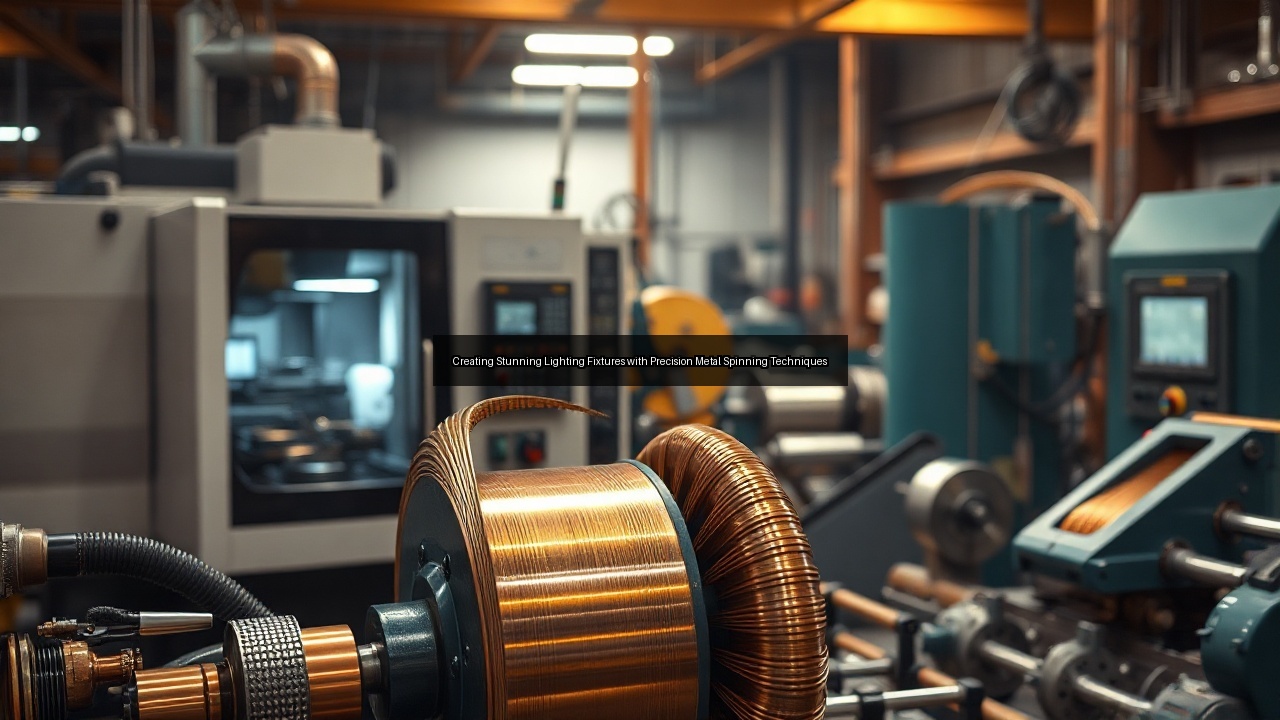
Understanding Metal Spinning Techniques
Overview of Metal Spinning
Metal spinning transforms flat discs of sheet metal into symmetrical, hollow shapes through controlled rotation and pressure. Manufacturers apply this sheet metal-forming method to create custom components for lighting fixtures that demand precise curves and smooth finishes. The process starts with a metal blank mounted on a spinning lathe, where skilled operators or automated systems gradually shape the material against a mandrel. This technique supports rapid prototype development and scales efficiently for production runs. Unlike stamping or casting, metal spinning minimizes material waste while delivering high-strength parts suitable for both decorative and functional lighting designs. Companies in metal fabrication often combine spinning with other methods to achieve complex toroidal forms that enhance light diffusion and aesthetic appeal.
The Role of CNC Machining in Metal Spinning
CNC machining integrates directly into modern metal spinning operations to deliver repeatable accuracy and intricate detailing. Operators program CNC systems to control tool paths, rotation speeds, and pressure application, ensuring each spun component meets exact diameter specifications. This precision proves essential when fabricating lighting housings that require consistent wall thickness and flawless surface finishes. CNC capabilities also allow quick adjustments during prototype iterations, reducing lead times for custom metal fabrication projects. Bearings and drive systems within these machines maintain stability throughout extended production cycles. Engineering teams rely on CNC metal spinning to handle alloys that demand tight tolerances, producing parts that integrate seamlessly into larger lighting assemblies without secondary machining.
Materials Used in Metal Spinning: Metals and Alloys
Metal spinning accommodates a wide range of metals and alloys chosen for strength, conductivity, and appearance. Copper and brass remain popular choices for lighting fixtures because they offer excellent corrosion resistance and develop attractive patinas over time. Carbon steel provides durability for structural elements, while bronze adds a premium finish for high-end designs. Tin and aluminum alloys support lighter fixtures where weight reduction matters. Manufacturers select materials based on the final application, balancing formability with performance requirements. Proper material choice during the spinning process prevents cracking and ensures the finished components withstand heat from lighting elements. Metalworking shops stock various gauges to match specific design needs and maintain consistent quality across batches.
The Metal Spinning Process
Steps Involved in Precision Metal Spinning
Precision metal spinning follows a structured sequence that begins with blank preparation and ends with finishing operations. Workers first cut circular blanks from sheet stock, then secure them to the spinning mandrel using the tailstock for centered support. The spinning tool applies gradual force as the lathe rotates the workpiece, forming the metal into the desired profile. Multiple passes refine the shape while monitoring wall thickness to avoid thinning. After forming, operators trim edges and perform any required heat treatment. This methodical approach produces lighting components with smooth, seamless surfaces that require minimal polishing. Fabrication teams document each step to maintain traceability and optimize future production efficiency for spun metal parts.
Utilizing Tailstock for Stability
The tailstock plays a critical role in metal spinning by providing axial support that prevents deflection during forming. Mounted opposite the headstock, it applies controlled pressure against the workpiece center, maintaining alignment throughout the spin cycle. This stability becomes especially important when working with larger diameter blanks destined for oversized lighting fixtures. Without proper tailstock engagement, vibrations can distort the final shape or damage the mandrel. Operators adjust tailstock force based on material thickness and spinning speed to achieve consistent results. In advanced setups, hydraulic or pneumatic tailstocks integrate with CNC controls for automated pressure regulation, enhancing both safety and repeatability in metal fabrication environments.
Importance of Axis Alignment in Spinning
Accurate axis alignment ensures the mandrel, blank, and forming tools rotate concentrically, eliminating wobble that leads to uneven wall thickness or surface defects. Misalignment causes premature tool wear and rejects during production of precision lighting components. Technicians verify alignment using dial indicators and laser systems before each run, making fine adjustments to the machine bed and tailstock. Proper axis control also protects bearings from excessive loads that shorten equipment life. In metal spinning services, consistent alignment directly influences the quality of toroidal shades and reflectors that demand optical precision. Companies invest in regular calibration to sustain high standards across all spun metal products.
Applications of Metal Spinning in Lighting Fixtures
Designing Stunning Lighting Fixtures
Designers leverage metal spinning to produce elegant, seamless lighting fixtures that combine structural integrity with visual appeal. The process allows creation of flowing curves and compound shapes impossible to achieve through simple stamping or roll forming. Custom diameters and profiles let manufacturers match specific architectural requirements while optimizing light output. Spun copper or brass fixtures develop rich finishes that complement modern and traditional interiors alike. Engineering collaboration during the design phase incorporates mounting features and ventilation directly into the spun form, reducing assembly steps. This flexibility supports both mass-produced lines and limited-edition art pieces for residential and commercial applications.
Types of Lighting Fixtures Made with Metal Spinning
Metal spinning produces pendants, sconces, chandeliers, and recessed housings with distinctive profiles. Toroidal shades diffuse light evenly while protecting bulbs from direct view. Cylindrical and conical forms serve as downlights or wall washers in architectural settings. Larger spun reflectors direct illumination in industrial and outdoor fixtures. Gas cylinders and other pressure vessels occasionally incorporate spun end caps, but lighting remains the dominant application. Manufacturers combine spun components with cast or machined elements to create hybrid designs that meet both aesthetic and functional demands. The versatility of spinning supports rapid style variations without expensive tooling changes.
Case Studies: Successful Projects Using Metal Spinning
One manufacturer delivered a series of oversized brass pendants for a hotel lobby using precision metal spinning to maintain consistent wall thickness across 36-inch diameters. The project required tight axis alignment and CNC programming to replicate intricate fluting details. Another company produced toroidal aluminum reflectors for museum lighting that achieved superior light distribution through carefully controlled spinning passes. These examples demonstrate how metal spinning services reduce material costs compared to casting while delivering superior surface quality. Clients reported faster turnaround times and fewer defects when switching from traditional fabrication methods to spun metal solutions.
Tools and Equipment for Metal Spinning
Essential Tools for Metalworking
Metalworking shops maintain an array of rollers, burnishers, and trimming tools specifically adapted for spinning operations. These hand and machine tools allow operators to refine contours and remove flash after the primary forming pass. High-quality bearings and robust mandrels form the foundation of reliable equipment setups. Proper tool selection prevents surface marring on visible lighting components and extends mandrel life. Fabrication teams also use measuring instruments to verify diameters and concentricity at each stage. Regular maintenance of these tools ensures consistent output across prototype and production volumes in metal spinning facilities.
Overview of Spinning Machines and Their Components
Modern spinning machines combine heavy-duty lathe beds with variable-speed drives and programmable controls. The headstock provides rotational power while the tailstock secures the workpiece. CNC interfaces manage tool positioning and pressure application for complex profiles. Additional components include steady rests for long parts and automatic lubrication systems that protect both tools and materials. Manufacturers select machines based on maximum blank diameter and material thickness capacity. Integration with CAD data streams allows direct transfer of lighting fixture designs into machine instructions, streamlining the transition from concept to finished spun components.
Choosing the Right Materials: Copper, Brass, and More
Material selection for metal spinning starts with evaluating formability, finish requirements, and service conditions. Copper offers superior ductility for deep draws and accepts a wide range of decorative treatments. Brass provides a balance of strength and color that suits visible lighting elements. Carbon steel delivers cost-effective durability for internal structural parts. Manufacturers also consider alloy variants that resist oxidation in humid environments. Matching material properties to the specific lighting design prevents cracking during spinning and ensures long-term performance. Inventory management of diverse metals supports quick response to custom orders and prototype requests.
Future Trends in Metal Spinning and Fabrication
Innovations in Metal Forming Techniques
Advances in metal forming combine traditional spinning with hybrid processes such as incremental forming and laser-assisted heating. These innovations expand the range of alloys and thicknesses that can be spun without defects. Automated tool changers and real-time thickness monitoring further improve consistency in lighting component production. Research into ultrasonic vibration assistance reduces forming forces and surface friction. Such developments position metal spinning as a competitive alternative to roll forming and stamping for medium-volume runs. Companies investing in these technologies gain advantages in speed and design freedom for custom fabrication projects.
The Role of CAD and CNC in Modern Manufacturing
CAD software enables precise modeling of complex lighting geometries before any metal is spun. Direct links to CNC controllers translate designs into machine instructions that control every aspect of the spinning sequence. Simulation tools predict material flow and potential thinning, allowing adjustments prior to production. This digital workflow shortens development cycles and minimizes scrap. Manufacturers use parametric modeling to generate families of similar fixtures with minimal reprogramming. The integration of CAD and CNC continues to elevate precision metal spinning from craft process to advanced manufacturing discipline.
Sustainability in Metal Spinning and Fabrication
Metal spinning supports sustainability goals through near-net-shape forming that generates little waste compared to machining from solid stock. Scrap from trimming operations returns directly to suppliers for remelting, closing the material loop. Energy-efficient CNC machines and optimized cycle times reduce power consumption during production. Manufacturers increasingly specify recycled copper, brass, and aluminum alloys without sacrificing performance. These practices lower the environmental footprint of lighting fixture fabrication while maintaining the high quality demanded by designers and engineers. Sustainable spinning processes also appeal to clients seeking LEED or other green certifications for their projects.