From Laboratories to Lifestyles How HDPE Bottles Are Shaping Packaging
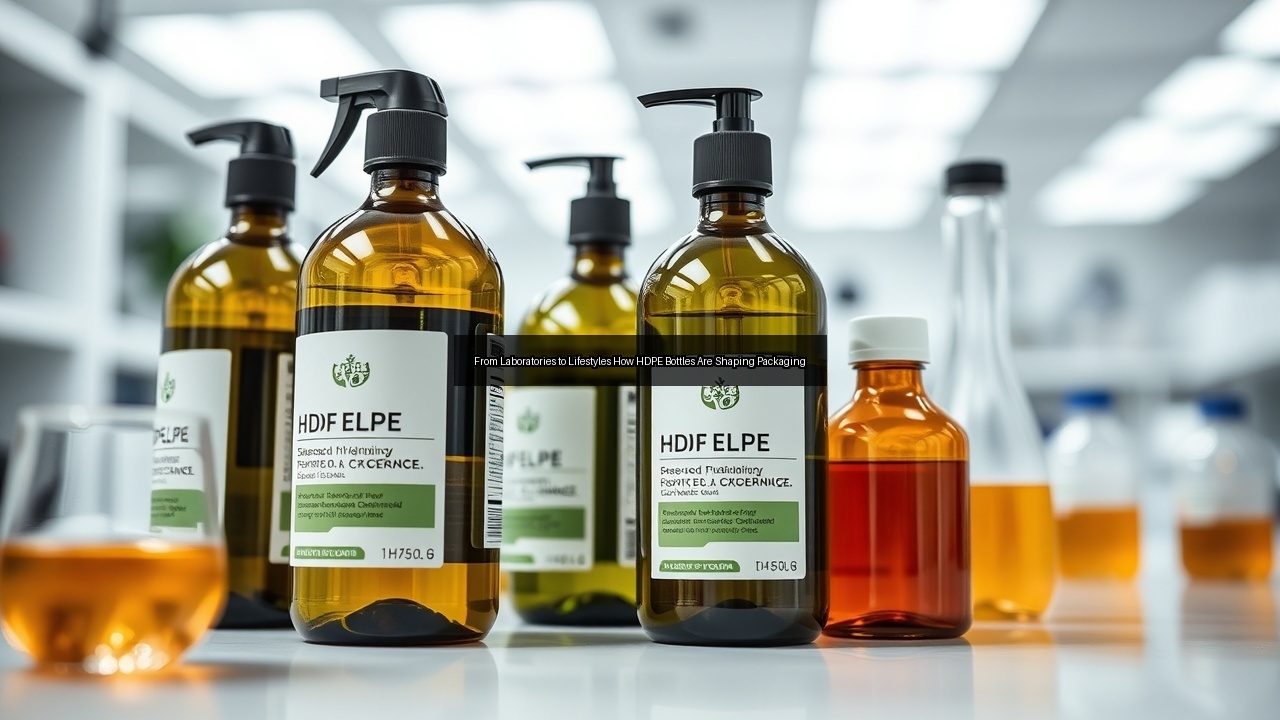
The Rise of HDPE Bottles in Packaging
Understanding High-Density Polyethylene
High-Density Polyethylene (HDPE) stands out as one of the most popular plastics in the packaging industry. Known for its strength and durability, HDPE is a type of polyethylene with a high strength-to-density ratio. This unique structure gives HDPE bottles their robust characteristics, making them resistant to impact, chemicals, and moisture. Industries appreciate HDPE for its versatility; it can be molded into various shapes, catering to diverse packaging needs. The material's non-toxic nature also ensures safety in applications ranging from food containers to laboratory supplies. Consumers can trust products packaged in HDPE to maintain integrity, which enhances brand loyalty and consumer satisfaction.
Comparing HDPE Bottles to Other Plastics
When comparing HDPE bottles to other plastics, such as polypropylene or low-density polyethylene (LDPE), the advantages of HDPE become apparent. HDPE bottles exhibit superior strength and rigidity compared to their counterparts. While polypropylene is often used for its flexibility, HDPE remains the preferred choice for applications requiring durability, such as chemical storage and transportation. Additionally, HDPE bottles are less permeable than many other plastics, effectively safeguarding contents from external contaminants. This advantage is crucial for industries that rely on high-quality packaging to protect sensitive products. When evaluating packaging materials, the choice often leans towards HDPE due to its excellent barrier properties and overall performance.
The Role of HDPE in Sustainable Packaging
HDPE plays a significant role in the movement toward sustainable packaging solutions. Many companies recognize the importance of eco-friendly practices, leading to an increased demand for recyclable materials. HDPE bottles are 100% recyclable, allowing consumers to contribute to a circular economy. Recycling HDPE reduces the need for new plastic production, thus minimizing environmental impact. Furthermore, advancements in recycling technologies enable the production of high-quality recycled HDPE, which can be reused in various applications, including new bottles, containers, and even products like carafes or sprayers. By choosing HDPE packaging, businesses not only comply with environmental regulations but also resonate with eco-conscious consumers.
Applications of HDPE Bottles Across Industries
Laboratory Uses: From Chemicals to Water Bottles
Laboratories extensively utilize HDPE bottles due to their chemical resistance and durability. In settings where hazardous materials are handled, HDPE's robust structure prevents leaks and ensures safe storage. Lab technicians rely on these bottles for storing various chemicals, reagents, and even sterile solutions. Moreover, HDPE water bottles have gained popularity in laboratory environments, providing a safe option for hydration without the risk of leaching harmful substances. The ease of labeling HDPE bottles with product labels enhances organization and compliance with safety standards. These features make HDPE a go-to choice for laboratories aiming to maintain quality while ensuring safety.
Consumer Goods: The Popularity of Nalgene and Other Brands
In the consumer goods sector, HDPE bottles have found a strong foothold, particularly in outdoor and sports markets. Brands like Nalgene have pioneered the use of HDPE in water bottles, appealing to health-conscious consumers and outdoor enthusiasts alike. These bottles are known for their durability and leak-proof design, making them perfect companions for hiking, camping, and everyday use. The lightweight nature of HDPE also contributes to its popularity, as it facilitates easy transport without compromising on sturdiness. Manufacturers appreciate the ability to customize HDPE bottles with vibrant colors and designs, allowing brands to stand out on retail shelves. This combination of practicality and aesthetic appeal solidifies HDPE's position in consumer goods.
Industrial Applications: Gallon Jugs and Sprayers
Many industries rely on HDPE bottles for bulk storage and dispensing solutions. Gallon jugs made from HDPE are commonly used in the agricultural sector for storing pesticides and herbicides. The chemical-resistant properties of HDPE ensure that these products remain stable and effective over time. Furthermore, HDPE sprayers are widely utilized for applying liquid fertilizers and other chemicals, offering precision and ease of use. The ability to manufacture these bottles in various sizes, including larger containers, adds to their versatility across industrial applications. Businesses benefit from reduced material costs and enhanced safety, making HDPE an essential component in industrial packaging.
Benefits of Using HDPE in Packaging Design
Durability and Leak Resistance
Durability is one of the hallmark features of HDPE bottles. Their robust construction allows them to withstand rough handling, making them ideal for various applications. This strength is particularly beneficial in industrial settings, where packaging often faces harsh conditions. Leak resistance is another critical attribute; HDPE bottles maintain their integrity under pressure and temperature fluctuations, preventing spills and contamination. This reliability fosters confidence among consumers and businesses alike, knowing that their products will arrive safely at their destination. Whether used for chemicals, beverages, or personal care items, HDPE's durability and leak resistance make it a preferred choice in packaging design.
Customization and Product Labeling Opportunities
Customization options play a vital role in the packaging design process, and HDPE bottles offer extensive flexibility in this regard. Brands can easily customize the size, shape, and color of HDPE bottles to align with their branding strategies. The ability to print high-quality product labels directly on HDPE surfaces enhances brand visibility and communicates essential information to consumers. Whether it's a distinctive mouth shape for a water bottle or a unique gallon jug design for industrial use, HDPE accommodates a wide range of creative possibilities. This level of customization helps brands differentiate themselves in a competitive market, attracting attention and driving sales.
Recyclability and Environmental Impact
The environmental impact of packaging materials is a growing concern for consumers and businesses. HDPE bottles score high on the recyclability scale, as they can be reprocessed into new products without sacrificing quality. This feature not only supports sustainability efforts but also aligns with the increasing consumer demand for eco-friendly packaging solutions. Many brands are now emphasizing their commitment to using recycled HDPE or promoting their bottles as recyclable, further enhancing their appeal. By choosing HDPE, companies contribute to reducing plastic waste and fostering a more sustainable future. The positive environmental implications of HDPE bottles resonate well with eco-conscious consumers, creating a win-win situation for both businesses and the planet.
The Future of HDPE Bottles in Everyday Life
Innovations in HDPE Bottle Design
Innovation continues to drive the evolution of HDPE bottle design. Manufacturers are exploring new shapes, closures, and dispensing mechanisms to enhance user experience. From ergonomic designs that fit comfortably in hand to advanced pump systems for precise dispensing, the future holds exciting developments for HDPE bottles. Companies are also investing in smart packaging technologies, integrating features like QR codes for easy product information access. As consumer needs evolve, HDPE will adapt, providing solutions that meet functionality and aesthetic demands. Innovations in materials, such as incorporating recycled HDPE into new products, will further enhance the appeal of HDPE bottles.
Consumer Preferences and Market Trends
Understanding consumer preferences is crucial for businesses looking to capitalize on the HDPE bottle market. Current trends indicate a significant shift toward sustainable and reusable packaging solutions. Consumers prioritize products that are environmentally friendly and convenient. HDPE bottles, known for their recyclability and durability, fit perfectly into this narrative. The popularity of brands offering refillable options underscores this trend, as consumers seek ways to reduce waste. Additionally, the rise of e-commerce drives demand for sturdy HDPE packaging that can withstand shipping and handling. Companies that stay ahead of these trends will likely thrive in the competitive packaging landscape.
Wholesale Distribution and Customer Service Insights
Effective wholesale distribution strategies play a crucial role in the success of HDPE bottle manufacturers. Establishing strong relationships with distributors ensures that products reach the market efficiently. Competitive pricing, quality assurance, and reliable customer service are essential components of a successful wholesale strategy. As customer expectations evolve, companies must prioritize responsiveness and transparency in their operations. Providing detailed information about product specifications, including made in USA options, enhances trust and credibility. By focusing on customer service and streamlining distribution processes, businesses can position themselves as leaders in the HDPE bottle market, ultimately driving sales and customer loyalty.