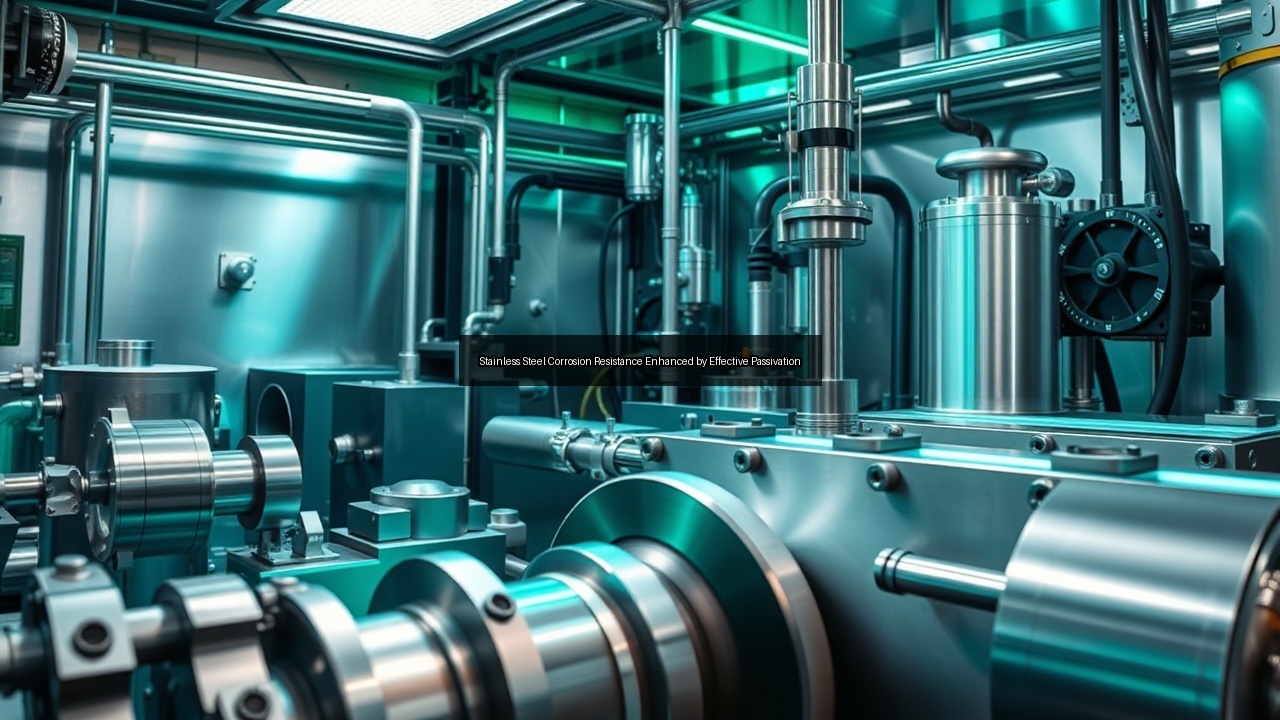
Stainless Steel Corrosion Resistance Enhanced by Effective Passivation
Understanding Passivation of Stainless Steel
What is Passivation?
Passivation of stainless steel refers to a chemical treatment that enhances the material's corrosion resistance. This process involves creating a thin, protective oxide layer on the surface of the stainless steel, which acts as a barrier against corrosive environments. Stainless steels are inherently resistant to corrosion due to their chromium content, which forms a passive layer when exposed to oxygen. However, factors like machining, welding, or exposure to harsh chemicals can compromise this layer, making passivation essential. Effective passivation restores and strengthens the protective oxide layer, ensuring the durability and longevity of stainless steel components across various applications.
The Role of the Passivation Layer
The passivation layer plays a crucial role in the overall performance of stainless steel. This layer, typically composed of chromium oxide, significantly enhances corrosion resistance by creating a barrier that isolates the underlying metal from corrosive elements. When stainless steel is exposed to moisture, oxygen, and various chemicals, the passivation layer prevents the formation of rust and other corrosion products. In practical terms, a well-passivated stainless steel surface exhibits improved resistance to pitting, crevice corrosion, and stress corrosion cracking, which are common issues in aggressive environments. Understanding the importance of the passivation layer helps manufacturers and engineers choose the right processes and treatments to ensure their stainless steel products maintain optimal performance over time.
Chemistry Behind Passivation Processes
The chemistry behind the passivation of stainless steel involves complex electrochemical reactions. Typically, the process begins with the exposure of stainless steel to an oxidizing agent, such as nitric acid or citric acid. These agents promote the formation of a stable chromium oxide layer on the surface. The thickness and quality of the passivation layer depend on several factors, including the concentration of the oxidizing agent, temperature, and duration of exposure. Research indicates that optimal conditions can significantly enhance the protective characteristics of the oxide layer. Additionally, the presence of elements like titanium in certain stainless steel grades can further improve the stability and integrity of the passivation layer. Understanding these chemical interactions enables manufacturers to refine their passivation techniques, leading to enhanced corrosion resistance and durability.
Methods of Passivating Stainless Steel
Chemical Passivation Techniques
Chemical passivation techniques are among the most common methods for enhancing the corrosion resistance of stainless steel. This process typically involves immersing stainless steel components in a chemical solution that facilitates the formation of the protective oxide layer. Nitric acid is a popular choice due to its effectiveness in removing free iron and other contaminants from the surface, allowing for the optimal formation of the passivation layer. Citric acid has gained popularity in recent years due to its environmentally friendly properties and effectiveness. Chemical passivation not only restores the protective layer but also improves the aesthetic appearance of stainless steel by reducing surface blemishes and discoloration. Properly executed chemical passivation can significantly extend the lifespan of stainless steel products in various applications.
Pickling and Its Importance in Passivation
Pickling serves as a vital pre-treatment step in the passivation of stainless steel. This process involves the use of acidic solutions to remove oxide layers, scale, and contaminants from the surface of the metal. Often, pickling solutions contain hydrochloric or sulfuric acid, which effectively cleans the surface by dissolving unwanted materials. By eliminating these impurities, the pickling process prepares the stainless steel for subsequent passivation treatments. The importance of pickling cannot be overstated; it enhances the effectiveness of the passivation layer by ensuring a clean surface for the chemical reactions that follow. In industrial applications, pickling and passivation often occur in tandem, ensuring that stainless steel components are thoroughly treated for maximum corrosion resistance.
Plating and Chem Film Applications
Plating and chem film applications are essential methods for enhancing the corrosion resistance of stainless steel, particularly in environments where additional protection is required. Electroless nickel plating, for instance, deposits a uniform layer of nickel onto the stainless steel surface, providing a hard, corrosion-resistant finish. This method not only improves resistance to wear and abrasion but also enhances the overall aesthetic of the component. Chem film, often referred to as Alodine or chromate conversion coating, serves to enhance surface conductivity and corrosion resistance while also providing a base for paint adhesion. These methods can complement the passivation process, offering layered protection that significantly increases the lifespan of stainless steel components in demanding environments.
Enhancing Corrosion Resistance in Stainless Steel
Factors Affecting Corrosion Resistance
Several factors influence the corrosion resistance of stainless steel, making it crucial to consider them during the design and manufacturing process. The composition of the stainless steel alloy plays a significant role; higher chromium and nickel content typically enhances corrosion resistance. Environmental conditions, such as temperature, humidity, and exposure to corrosive agents like chlorides or sulfides, also impact performance. Mechanical factors, including surface finish and the presence of micro-cracks or defects, can compromise the integrity of the passivation layer. Additionally, the manufacturing processes, such as welding or machining, can introduce stresses and impurities that undermine corrosion resistance. By understanding these factors, manufacturers can implement targeted strategies to improve the durability and longevity of stainless steel products.
Additive Manufacturing and Its Impact on Passivation
Additive manufacturing, commonly known as 3D printing, has revolutionized the production of stainless steel components. However, it also presents unique challenges regarding corrosion resistance and passivation. The rapid cooling and layer-by-layer construction methods can result in microstructural changes that affect the corrosion behavior of the material. Research in this area focuses on understanding how additive manufacturing influences the formation of the passivation layer and overall corrosion resistance. Techniques such as post-processing heat treatments and optimized passivation methods are being developed to enhance the performance of additively manufactured stainless steel components. By addressing these challenges, manufacturers can leverage the benefits of additive manufacturing while ensuring that corrosion resistance remains a top priority.
Research Advances in Stainless Steel Passivation
Ongoing research in stainless steel passivation continues to yield exciting advancements that enhance corrosion resistance. Scientists are exploring novel chemical formulations for passivation solutions that not only improve the protective characteristics of the oxide layer but also reduce environmental impact. Innovations such as bio-inspired passivation techniques leverage natural processes to create effective passivation layers. Additionally, the development of hybrid passivation methods that combine chemical and physical techniques shows promise in creating more robust protective coatings. Research is also delving into the correlation between surface microstructure and passivation efficacy, aiming to optimize processing parameters for superior performance. These advances not only improve the longevity of stainless steel products but also contribute to sustainable manufacturing practices.
See Also
- The Evolution of Stainless Steel Passivation in Industrial Applications
- Unlocking the Secrets of Stainless Steel Passivation
- Why Every Manufacturer Should Consider Stainless Steel Passivation
- Key Research Findings on the Passivation of Stainless Steel Alloys
- Passivation Myths Busted What You Need to Know About Stainless Steel